Explora lo último en ingeniería social, amenazas generativas de inteligencia artificial y estrategias de ciberseguridad para proteger lo que más importa: su equipo.
Blog post
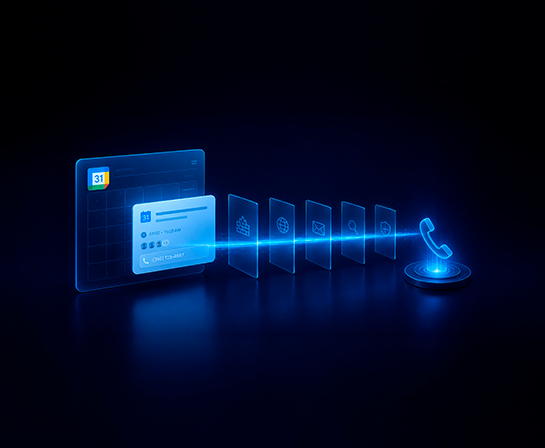
Suplantación de identidad por invitación al calendario: cómo un ataque a Google Calendar eludió todos los controles perimetrales
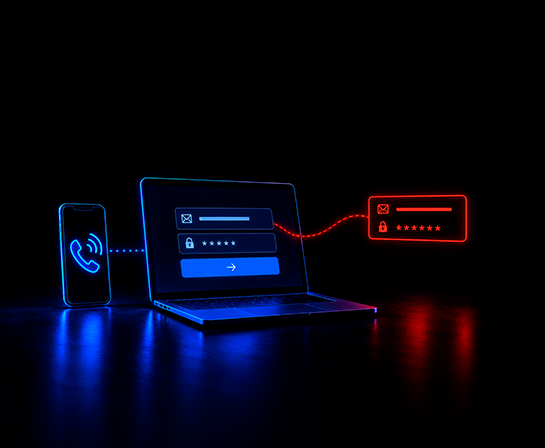
El 17 de marzo, un atacante envió una invitación a Google Calendar por un cargo de 399,77 dólares que no era real. No había ningún enlace en el que hacer clic ni ningún archivo adjunto en el que hacer estallar, y DKIM fue aprobado. La única parte del ataque que importaba era el número de teléfono. He aquí por qué fallaron todos los controles perimetrales y dónde vive realmente la defensa.
April 28, 2026
Enrique Holgado
¡Gracias! ¡Su presentación ha sido recibida!
¡Uy! Algo salió mal al enviar el formulario.
Blog post
Suplantación de identidad por invitación al calendario: cómo un ataque a Google Calendar eludió todos los controles perimetrales
El 17 de marzo, un atacante envió una invitación a Google Calendar por un cargo de 399,77 dólares que no era real. No había ningún enlace en el que hacer clic ni ningún archivo adjunto en el que hacer estallar, y DKIM fue aprobado. La única parte del ataque que importaba era el número de teléfono. He aquí por qué fallaron todos los controles perimetrales y dónde vive realmente la defensa.
April 28, 2026
Enrique Holgado
Blog post
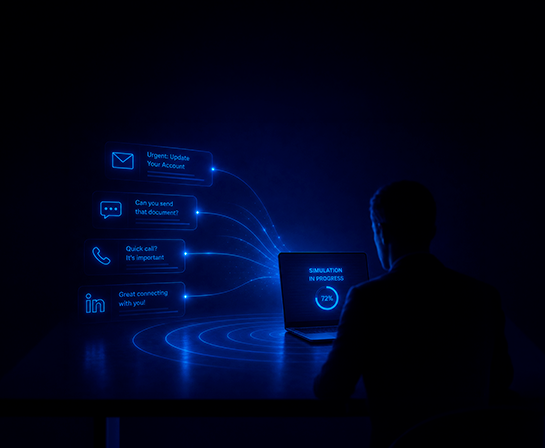
AI social engineering in 2026: why phishing simulations built on last year's templates are the wrong defense
Targeted social engineering used to require hours of manual reconnaissance. AI removed that ceiling. Personalized, multi-channel attacks now take seconds to build — and most simulation programs still test only email.
April 22, 2026
Natalia Bochan
Blog post
The architecture gap: why your security gateway and your training program have never shared a single data point
Your security gateway logs every threat targeting your employees. Your training platform runs on a quarterly calendar. These two systems were built for different buyers, measured by different metrics, and were never designed to exchange data — and that gap is where incidents happen.
April 16, 2026
Natalia Bochan
News
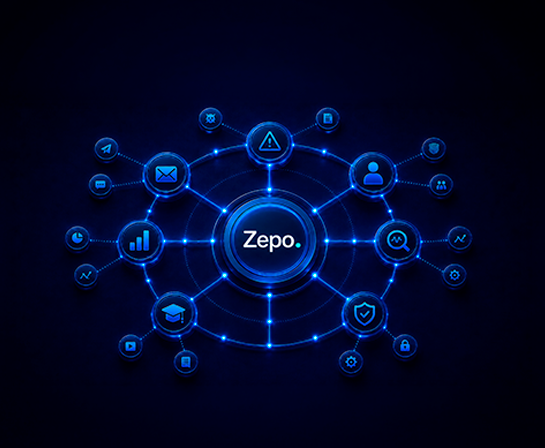
ZEPO INTELLIGENCE, FIRST CYBERSECURITY ECOSYSTEM TO CONNECT THREAT DETECTION WITH HUMAN RISK PREVENTION
Zepo Intelligence is now the first cybersecurity ecosystem for human risk — a platform where real-time threat detection and security training share a single data model. Every blocked attack immediately informs training. Every behavioral signal refines how protection is applied.
April 13, 2026
Antonio Muñoz
Blog post
What every regulation now requires from your cybersecurity training program — and why completion rates fail all of them
Modern cybersecurity regulations have shifted from "completion" to "competence," leaving organizations legally vulnerable when they prioritize annual check-boxes over actual behavioral change. Discover the five documentation gaps that fail regulatory scrutiny and how to build a training program that is truly defensible after an incident.
April 7, 2026
Natalia Bochan
Blog post
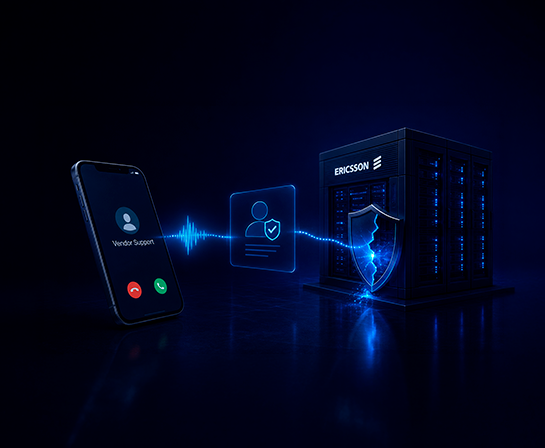
One call to a vendor. 15,661 records exposed. The Ericsson breach shows where security awareness ends.
A single vishing call to a third-party vendor gave attackers access to Ericsson customer data for five days — and Ericsson wasn't notified for seven months. The gap most security awareness programs don't cover is vendor employees. Here's how to start bridging it.
March 19, 2026
Natalia Bochan
Blog post
Deepfakes don't exploit technology gaps. They exploit obedience.
99% of security leaders say they're confident in their deepfake defenses. The average detection score is 44%. This post argues the industry is solving the wrong problem — and that verification culture, not detection technology, is the defensible response to AI-powered social engineering.
February 18, 2026
Natalia Bochan
Blog post
The leak of 47 political leaders: A case study in context-driven risk
A recent breach has exposed the personal data of 47 high-profile Spanish politicians, including regional presidents and high-ranking officials.
January 23, 2026
Natalia Bochan
News
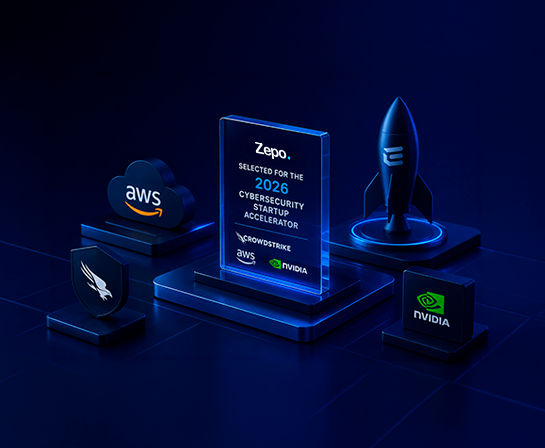
Zepo Intelligence Selected for the 2026 CrowdStrike, AWS & NVIDIA Cybersecurity Startup Accelerator
Zepo Intelligence, an agentic social intelligence platform for workspace security, has been selected to participate in the 2026 Cybersecurity Startup Accelerator with CrowdStrike, Amazon Web Services (AWS) and NVIDIA through its Inception program, to help fuel the next generation of AI-driven cloud security innovation.
January 22, 2026
Natalia Bochan
FraudGPT: what security leaders need to know in 2026
AI tools like FraudGPT have made convincing phishing attacks accessible to anyone with a subscription. Here's how the threat has evolved since 2023 and why the defense is behavioral, not technical.
January 18, 2026
Natalia Bochan
News
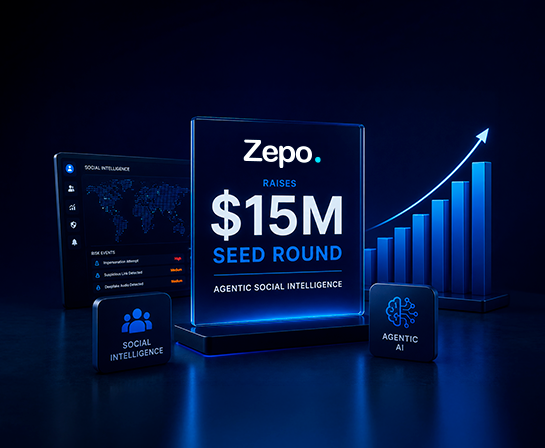
Zepo Intelligence Raises $15M Seed Round to Protect Workspaces from AI-Driven Social Engineering
Zepo Intelligence, the company redefining human-centric security, announced today the closing of a $15 million Seed investment round. The round includes three European VCs with strong focus in cybersecurity, Kibo Ventures, eCAPITAL and TIN Capital, and will allow Zepo to expand its team and scale its proprietary technology globally as AI-driven social engineering rapidly escalates into one of the most persistent and costly challenges for security leaders in modern organizations.
January 12, 2026
Natalia Bochan
Anticípate antes de que ataquen.
Te has suscrito correctamente al boletín Zepo.
El Sitio Web (https://zepo.ai) utiliza cookies propias y de terceros con fines técnicos, analíticos y de preferencia. Puedes aceptar todas las cookies pulsando "Aceptar todas", aceptar sólo las cookies necesarias pulsando "Aceptar sólo las cookies necesarias" o puedes configurar o rechazar su uso pulsando "Configurar". Para más información, visita nuestra Política de Cookies.
Configuración de cookies
Puedes activar o desactivar cada categoría de cookies. Las cookies necesarias siempre están activas.
Cookies necesarias
Imprescindibles para el funcionamiento del sitio web. No pueden desactivarse.
Cookie
Proveedor
Descripción
Duración
__cf_bm
Cloudflare
Soporte para Cloudflare Bot Management.
1 hora
_cfuvid
Calendly
Rastrea usuarios entre sesiones para mantener la consistencia y ofrecer servicios personalizados.
Sesión
__hssrc
HubSpot
Determina si el visitante ha reiniciado su navegador.
Sesión
__hssc
HubSpot
Rastrea sesiones y determina si HubSpot debe incrementar el número de sesión.
1 hora
wpEmojiSettingsSupports
WordPress
Determina si el navegador del usuario puede mostrar emojis correctamente.
Sesión
cookie_acm_temp_42549_shown
Propio
Cookie temporal de gestión del banner de cookies.
Menos de 1 minuto
Cookies analíticas
Nos ayudan a entender cómo interactúan los visitantes con el sitio web.
Cookie
Proveedor
Descripción
Duración
_ga
Google Analytics
Calcula datos de visitantes, sesiones y campañas. Almacena información de forma anónima y asigna un número generado aleatoriamente para reconocer visitantes únicos.
1 año 1 mes 4 días
_ga_*
Google Analytics
Almacena y cuenta las páginas vistas.
1 año 1 mes 4 días
__hstc
HubSpot
Cookie principal de HubSpot para el seguimiento de visitantes. Contiene el dominio, la marca de tiempo inicial, la última visita y el número de sesión.
6 meses
hubspotutk
HubSpot
Rastrea visitantes al sitio web. Se transmite a HubSpot al enviar formularios para evitar contactos duplicados.
6 meses
Cookies de preferencia
Permiten recordar información que cambia el comportamiento o aspecto del sitio.
Cookie
Proveedor
Descripción
Duración
wp-wpml_current_language
Propio (WPML)
Almacena la configuración del idioma actual del sitio.
Sesión
wpml_browser_redirect_test
Propio (WPML)
Comprueba si las cookies están habilitadas en el navegador.
Sesión
_icl_visitor_lang_js
Propio (WPML)
Almacena el idioma al que fue redirigido el visitante.