
One-paragraph Summary (TL;DR)
A recent breach has exposed the personal data of 47 high-profile Spanish politicians, including regional presidents and high-ranking officials. The leak includes highly granular details: from national ID numbers to gas meter codes. For security leaders, this incident serves as a critical case study: exposed PII (Personally Identifiable Information) is not just a privacy failure; it is the ammunition for the next wave of hyper-personalized social engineering. We explore why context is the new weapon and how organizations must build a capable human defense layer to withstand it.
Introduction
The news broke today, January 23, regarding a significant data leak affecting political figures across Spain, including Isabel Díaz Ayuso, Juan Manuel Moreno Bonilla, and leaders from 15 autonomous communities. The scope of the leak is alarming not just because of who was targeted, but what was exposed: national ID numbers (DNI), home addresses, bank accounts, vehicle license plates, and even utility meter codes.
In the cybersecurity industry, headlines often focus on the event of the breach itself. However, for CISOs and risk leaders, the breach is simply the starting gun for a more complex challenge. When attackers possess data this specific, they stop relying on luck and start engineering trust. The risk has now shifted entirely to the human element, requiring a defense strategy that moves beyond technical controls to behavioral mastery.
The shift from data breach to behavioral risk
How specific details manufacture credibility
The presence of niche data points in this leak, such as gas meter codes and car license plates, represents a significant escalation in risk. This is “context.” Attackers use these seemingly trivial details to manufacture credibility and bypass natural skepticism.
“Security starts with trust, not fear”. Unfortunately, attackers know this too. When a target receives a communication that references their specific utility provider and unique meter code, the interaction feels verified. Standard security awareness training often fails in this moment because it warns against generic threats. It rarely prepares people for attacks that mirror legitimate business administration so perfectly.
The vulnerability of the high-profile human
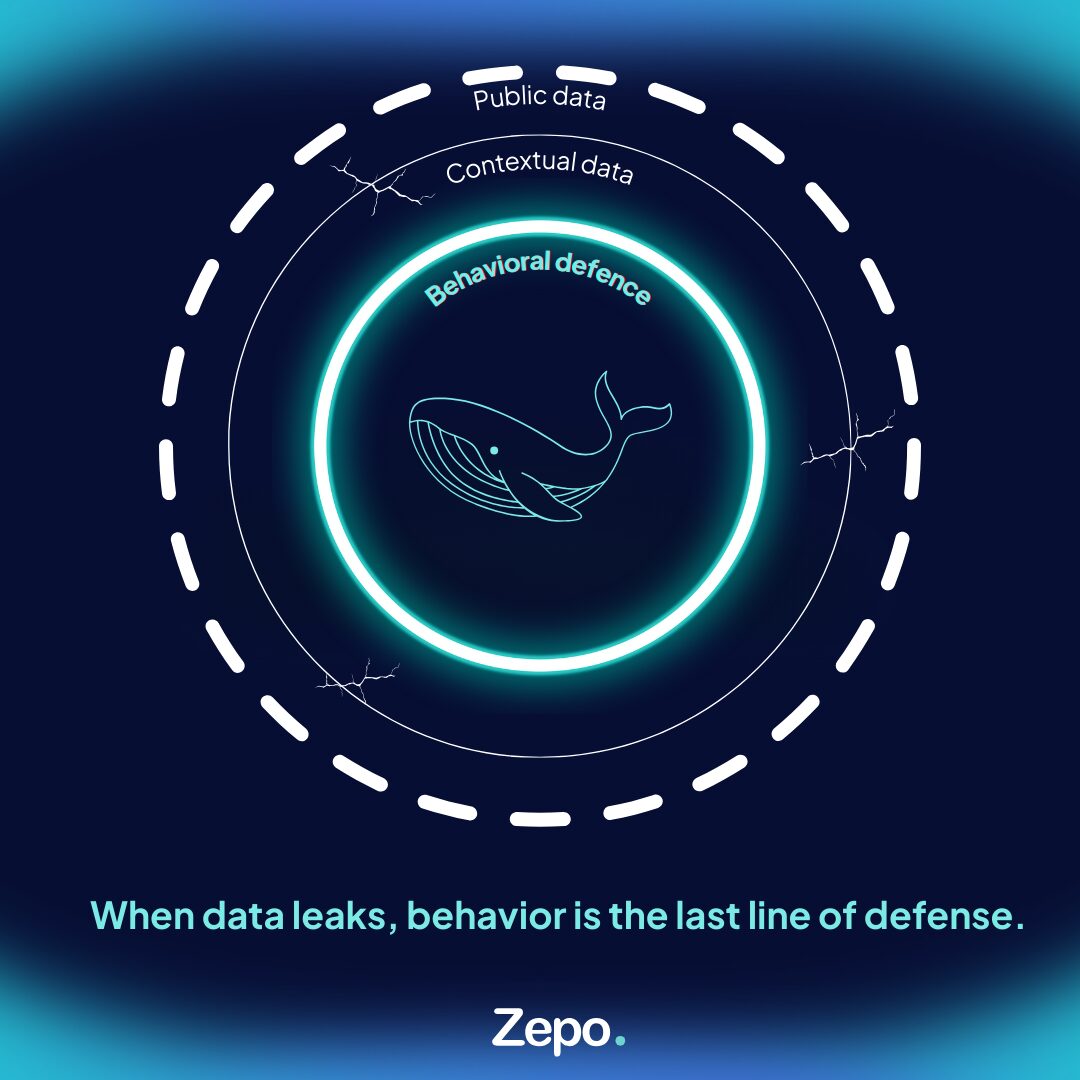
This incident highlights a paradox common in the enterprise: high-profile individuals (VIPs) often possess the strongest technical protections but the widest attack surface. In cybersecurity, this specific threat vector is known as whaling: a highly targeted form of spear-phishing aimed squarely at senior executives and political leaders.
Whaling attacks do not rely on “spray and pray” tactics; they rely on deep research. Attackers study a leader’s habits, voice, and vendors to craft messages that are virtually indistinguishable from legitimate business correspondence. The stakes for these attacks are disproportionately high. Recent data reveals that 72% of senior executives have been targeted by cyberattacks in the last 18 months (according to the GetApp’s Executive Cybersecurity Report). Furthermore, as attackers leverage AI to weaponize personal context, the sophistication of these attempts is skyrocketing: deepfake incidents have surged by 312% year-over-year (as reported by Resemble AI), making verified identity harder to distinguish from fraud than ever before.
We cannot simply rely on firewalls to protect individuals whose home addresses and bank details are public knowledge on the dark web. Whether it is a regional president or a corporate executive, the “human” remains the key to security outcomes. We must focus on building durable security capability by revealing precisely how these individuals perform in the face of modern, context-driven risk.
Key Insight: Insight is the new perimeter
The industry often treats a data leak as a failure of control. At Zepo, we argue that in a hyper-connected world, leaks are an operational reality we must manage.
The reframe for leaders is this:
The leaked data is not the attack; it is the reconnaissance.
The actual attack will likely occur weeks or months from now, utilizing this data to orchestrate social engineering campaigns that technical filters cannot catch. Therefore, the only effective control remaining is the capability of the human recipient. Insight into human behavior — understanding how your people navigate trust and uncertainty — is the new perimeter.
Practical Implications
For security leaders managing high-risk teams, this incident offers three strategic imperatives:
-
- Move beyond generic simulations: Phishing simulations that use generic templates are ineffective against threats fueled by specific PII leaks. Testing must be hyper-personalized and multivector to match the reality of the threat landscape.
-
- Audit the “verification” process: If attackers have DNI numbers and bank details, your organization’s standard identity verification questions (e.g., “confirm the last 4 digits of your account”) are now compromised. Review how you verify identity internally to ensure reliance is not placed on exposed data.
-
- Culture over compliance: High-pressure environments often prioritize speed over verification. You must foster a culture where pausing to verify is seen as a mark of professional competence, not an obstruction.
Conclusion
The breach affecting Spanish leadership is a stark reminder that while attack strategies evolve and technical defenses scale, behavioral proficiency remains the critical determinant of resilience. We cannot retroactively delete the leaked data of these 47 leaders. But we can transform how they — and our own teams — respond to the risks that follow.
By shifting focus from the fear of the leak to the mastery of the response, we turn our people into proactive defenders.
Does your current human risk strategy account for a scenario where the attacker already has the answers?
Facebook
Twitter
LinkedIn
